Is Trenchless Water Main Replacement Right for Your Stafford, VA, Home?
Trenchless water main replacement in Stafford, VA, offers homeowners a smarter, less disruptive way to restore clean water flow without tearing up their yards. This article explains how trenchless methods work, what properties may qualify, how costs compare to traditional digging, and why local soil conditions make trenchless technology especially worth considering.
How Does Trenchless Water Main Replacement Work?
Trenchless water main replacement uses minimal digging to install a new pipe without excavating the full length of the old one. A licensed plumber typically starts with a camera inspection to pinpoint the damage, then uses one of two methods.
Pipe Bursting
A technician pulls a new pipe through the existing damaged one while fracturing the old pipe outward into the surrounding soil. This works well when the old pipe has failed but its path is still usable, eliminating the need to dig a continuous trench.
Pipe Lining (CIPP)
Cured-in-place pipe lining involves inserting a resin-coated liner into the existing pipe and curing it in place to form a smooth, rigid inner tube. Most CIPP projects are completed in a single day with minimal disruption to landscaping, driveways, or sidewalks.
Is Trenchless Water Line Replacement Right for Your Stafford, VA, Home?
Trenchless methods are often a strong fit where digging would damage landscaping, driveways, or tree roots. However, the condition and location of your existing line will determine whether this approach is practical.
A home is often a good candidate if the pipe runs a fairly straight path, the yard has established landscaping or a concrete driveway nearby, or the pipe isn't severely crushed. Newer developments near Route 610 or Garrisonville Road, with compact lots and driveways over utility lines, tend to benefit most. Multiple collapse points or significant shifting may call for open-cut excavation instead, something a camera inspection will confirm before work begins.
Trenchless vs. Traditional: Cost and Soil Considerations
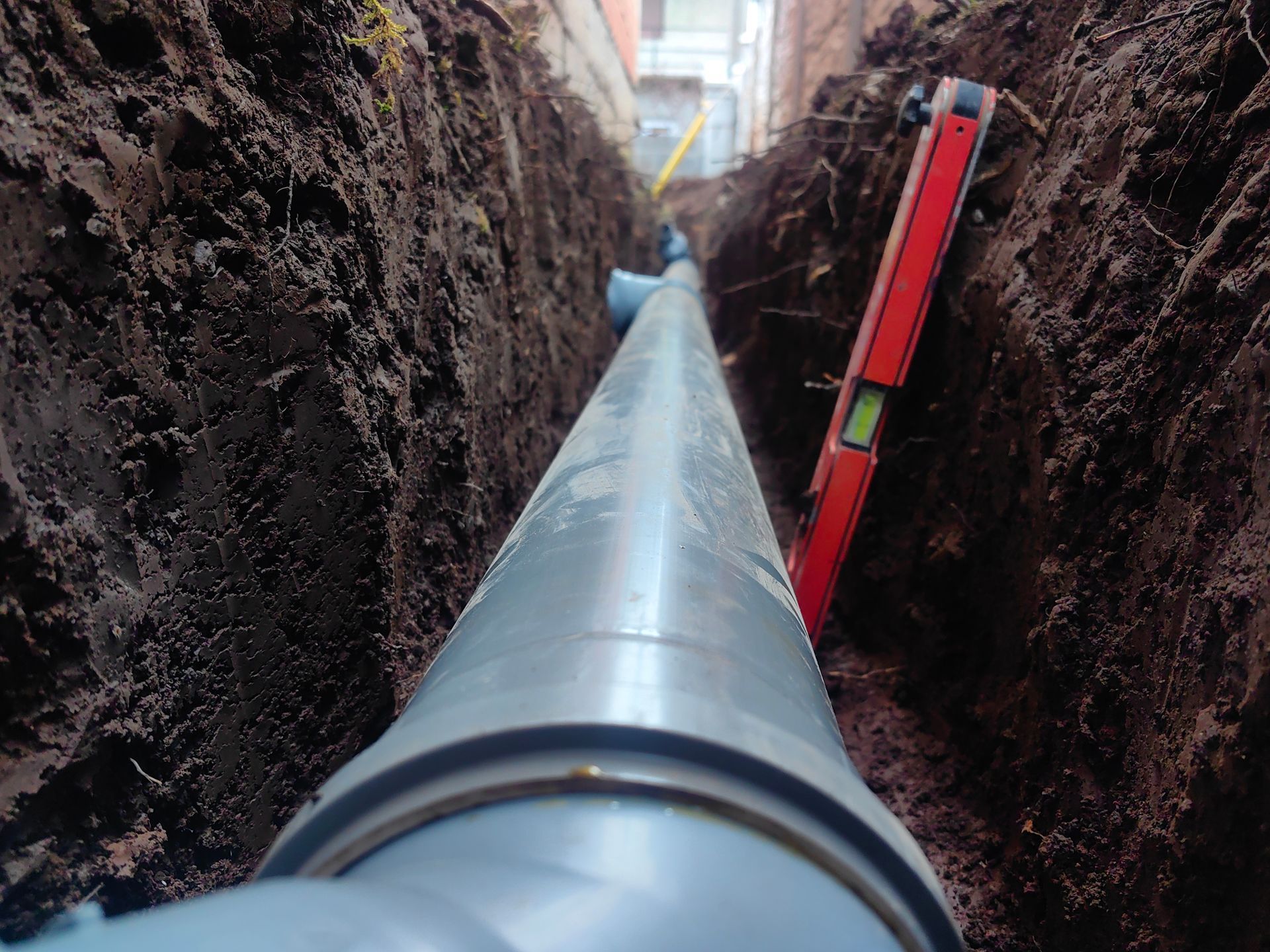
Trenchless methods often cost more upfront, but total project costs can be lower once you factor in lawn restoration, concrete repair, and landscaping replacement after open excavation. Stafford County's clay-heavy soil is worth including in that comparison.
Clay soils throughout the Stafford and Aquia Creek corridor shift seasonally as moisture levels change, accelerating pipe corrosion and joint separation over time. Clay also makes digging slower and more labor-intensive than sandy or loamy ground. Pipe bursting performs particularly well in clay because the old pipe fractures outward into a material that compacts well around the new line.
Frequently Asked Questions
How Long Does Trenchless Water Main Replacement Take?
Most projects take one to two days, depending on line length and method. Traditional open-cut excavation usually takes longer, plus extra time for yard restoration.
What Are the Signs I May Need a Water Main Replacement?
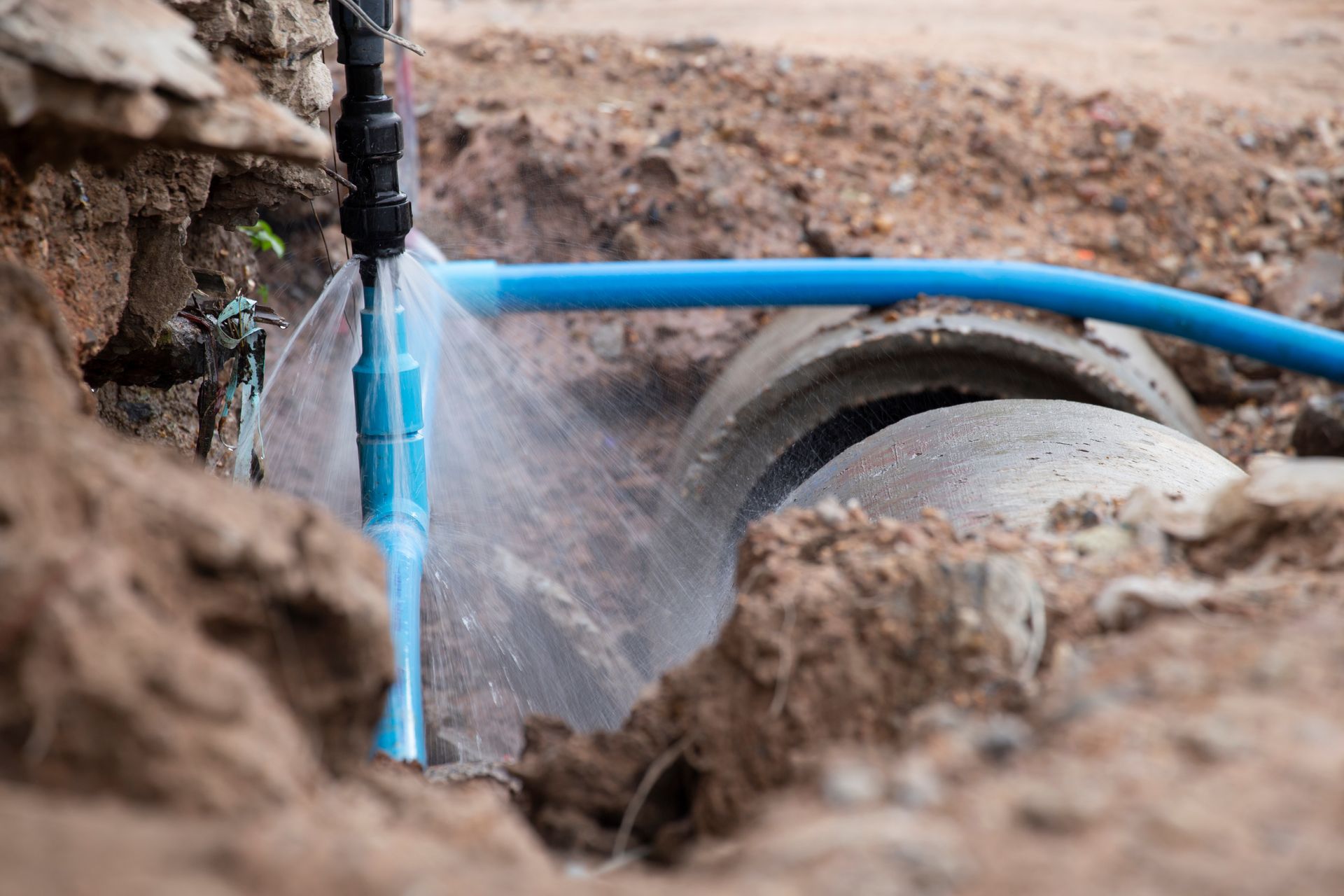
Signs include wet spots or green patches in your yard, low water pressure, discolored water, or a rising bill. A camera inspection can confirm why.
Will Trenchless Replacement Affect My Water Service During the Project?
Water service will be interrupted briefly, usually a few hours rather than a full day. Your plumber will give you a clear timeline beforehand.
Ready to Explore Your Options in Stafford?
Atlantic Green serves Stafford, VA, homeowners with water line installation, repair, and replacement services. Our licensed team can recommend whether trenchless or traditional methods make more sense for your home. Call (540) 834-5505 or contact our team online to schedule an inspection. Learn more about available water line services before you call, and read what local homeowners have to say on Google.