Tankless vs. Tank Water Heater Replacement in Spotsylvania, VA: What's Right for Your Home in 2026?
Choosing the right water heater replacement is one of the most impactful home decisions that Spotsylvania, VA, homeowners can make in 2026.
Both tank and tankless systems deliver hot water, but they work differently, carry different long-term costs, and suit different homes. Understanding those differences before you buy can save you money and prevent future headaches.
How Each System Works
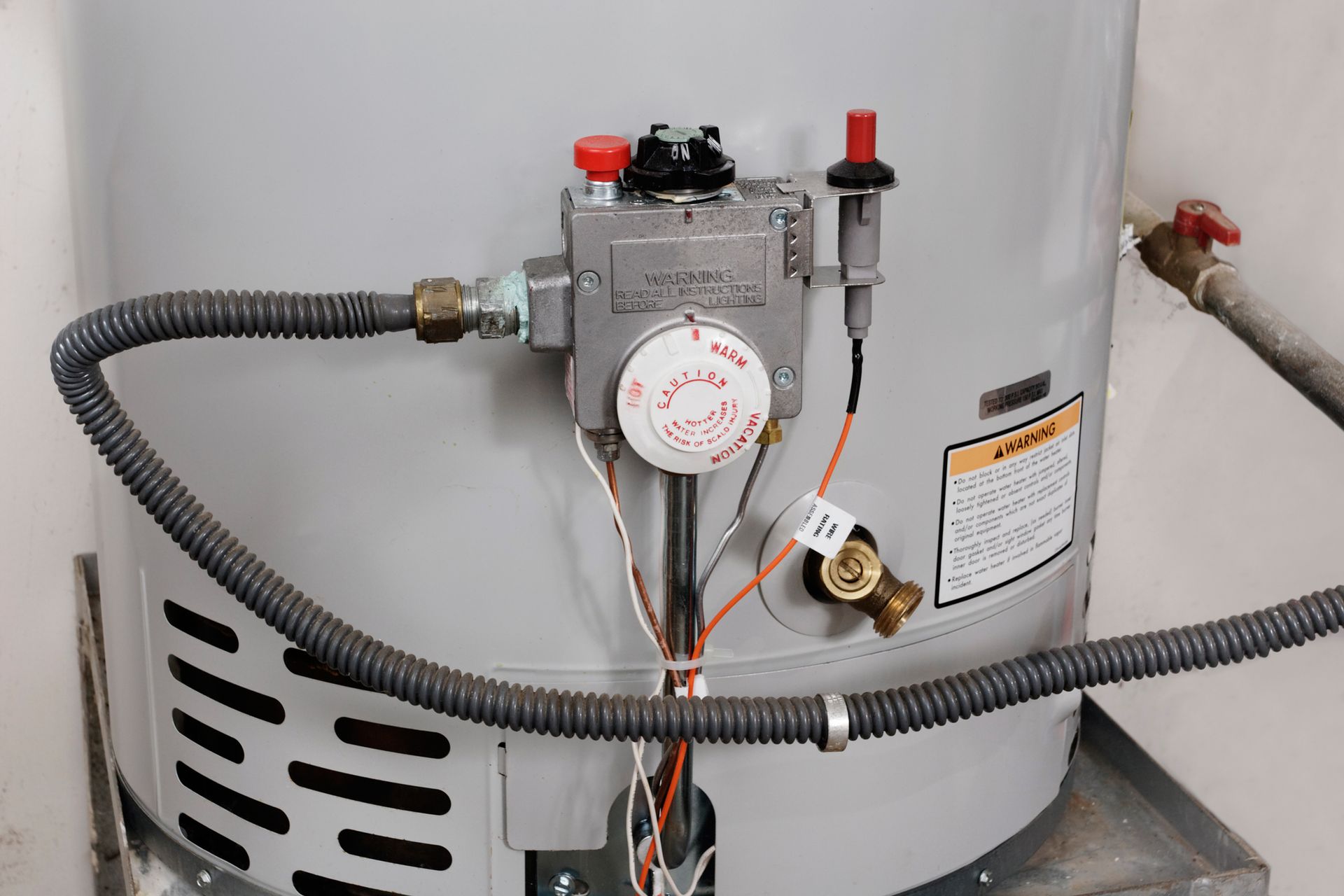
Tank water heaters store a large reservoir of pre-heated water, typically between 30 and 80 gallons, so hot water is always on standby. The downside is that the unit must keep that water warm around the clock, even when no one is home. Tankless units heat water only when a tap is turned on, eliminating that continuous energy use entirely.
The Standby Loss Problem With Tank Units
A tank heater loses heat through its walls even when no hot water is being used. That ongoing heat loss, called standby loss, means the burner or heating element cycles on repeatedly throughout the day. For larger Spotsylvania households with high hot water demand, that wasted energy adds up over a year.
What Makes Spotsylvania Homes Unique
Spotsylvania County, VA, includes a wide mix of property types, from established subdivisions near the Courthouse corridor to newer construction spreading south toward Massaponax and Thornburg. That variety matters when choosing a water heater.
Older homes near the Courthouse area often have tight mechanical rooms where a bulky tank unit has always been a squeeze. Tankless units mount to a wall and take up far less space, making water heater replacement in Spotsylvania, VA, considerably easier in those layouts. Newer homes in Massaponax-area developments tend to have higher hot water demand due to larger floor plans, multiple bathrooms, and bigger households, which favors tankless capacity.
Spotsylvania also sits in a region with moderate water hardness. Annual flushing and periodic descaling can help either unit perform closer to its rated lifespan.
Gas vs. Electric Availability in the Area
Many Spotsylvania homes are served by natural gas, which matters because gas-fired tankless units deliver higher flow rates than electric models. Homes on propane or without existing gas lines may face additional costs to convert fuel sources before a tankless installation can move forward. An experienced plumber can assess your home's current setup and advise on what changes are needed.
Longevity and Efficiency Trade-Offs
Tank water heaters typically last 8 to 12 years with proper maintenance. Tankless units are engineered to last significantly longer, with a rated lifespan that can reach 20 years or more. Over time, that longer service life can offset the higher upfront investment.
From an efficiency standpoint, tankless heaters only consume energy when hot water is actively being used. Larger households running multiple appliances and showers simultaneously should confirm that a single unit can meet peak demand or discuss whether multiple units are appropriate.
Signs It May Be Time to Replace Your Water Heater
Several warning signs suggest a water heater replacement may be overdue:
▸Water that takes unusually long to heat up at the tap.
▸Rusty or discolored water from the hot side of faucets.
▸Visible corrosion or pooling water around the base of the tank.
▸A unit that is 10 or more years old and requires frequent repairs.
▸Rumbling or popping sounds during heating cycles caused by sediment buildup.
If any of these issues are present, waiting often leads to more expensive emergency repairs or water damage.
Installation Considerations for Existing Homes
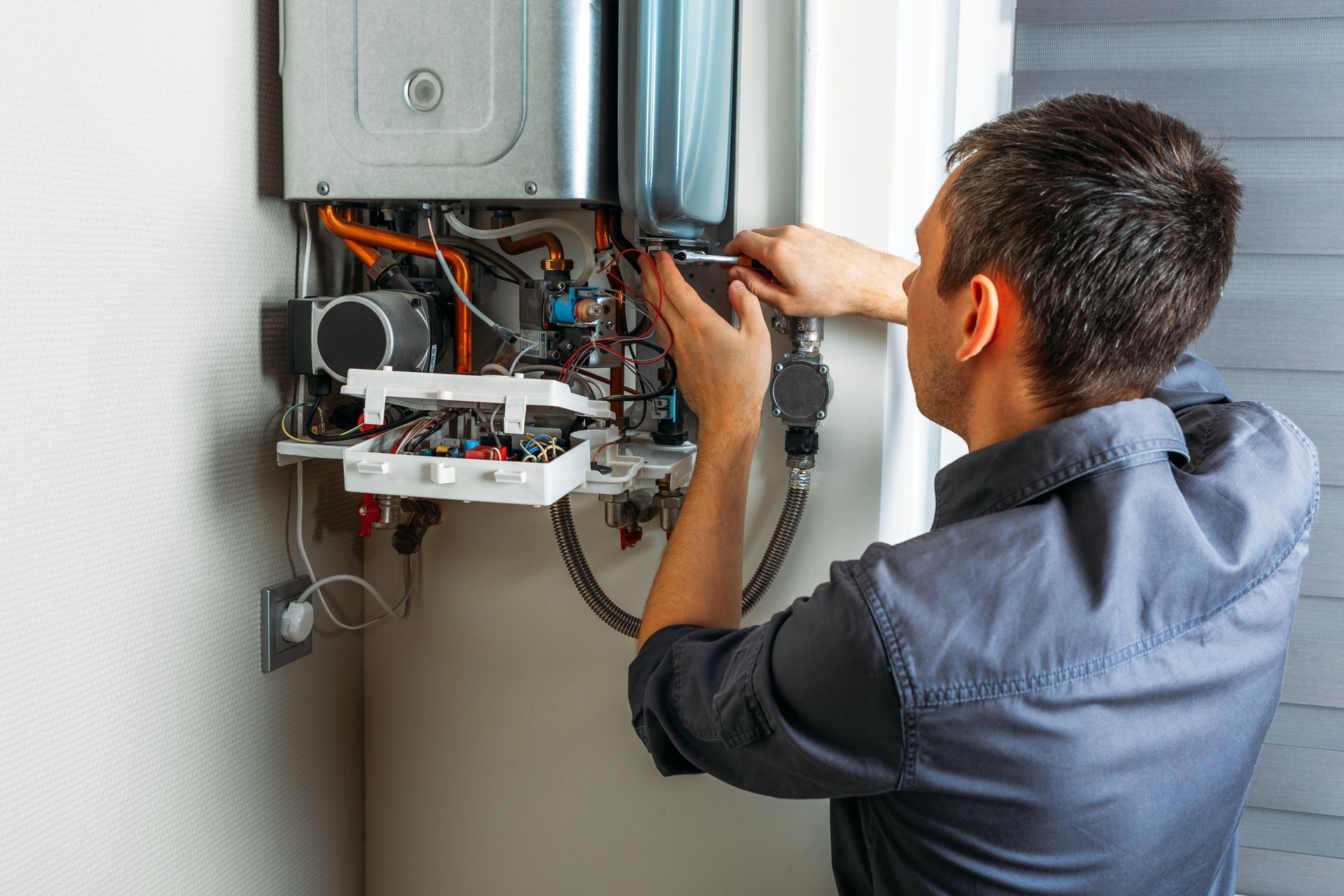
Switching from a tank to a tankless unit in an older Spotsylvania home may involve more than a straight swap. Gas-fired tankless heaters typically require larger gas line diameters and dedicated venting. Electric tankless systems often require upgraded panel capacity. A licensed plumber can evaluate your current infrastructure before recommending a system.
For homeowners who need a like-for-like tank replacement, the process is usually more straightforward, and existing connections and venting are often compatible. Explore the full range of water heater services available to understand which options fit your home's current setup.
Frequently Asked Questions
How Long Does a Water Heater Replacement Typically Take?
Most standard tank replacements can be completed in a few hours. Tankless conversions may take longer if gas lines, venting, or electrical panels need modification.
Can a Tankless Heater Supply Enough Hot Water for a Large Family?
Yes, a properly sized whole-home tankless unit can handle simultaneous demand from multiple fixtures. Sizing depends on the number of bathrooms, appliances, and peak usage patterns in your household.
Does Hard Water Affect My Water Heater in Spotsylvania?
Moderate mineral content in local water can contribute to scale buildup inside both tank and tankless units. Flushing a tank unit annually and descaling a tankless unit every one to two years helps protect the system and maintain efficiency.
Is a Tankless Water Heater Always the Better Choice?
Not always. Tankless units tend to suit homes with moderate hot water needs, available gas supply, and homeowners who plan to stay long enough to recoup the upfront investment. Tank units remain a reliable, cost-accessible option for many households.
When Should I Call a Plumber Instead of Waiting?
If your current unit is leaking, producing discolored water, or is more than 10 years old and showing performance issues, contacting a plumber sooner rather than later is advisable. Waiting can turn a planned replacement into an emergency.
Ready to Move Forward? Contact Atlantic Green Plumbing
Atlantic Green Plumbing serves Spotsylvania, VA, and the surrounding region with licensed, quality-focused water heater replacement and installation. Whether you are weighing a tankless upgrade or need a straightforward tank swap, the team can assess your home and help you choose the right system. Request a free quote by visiting
our contact page or calling
(540) 834-5505.