Plumbing Contractor or Handyman: Which One Does the Job?
Many homeowners in King George County wonder whether a handyman can handle a plumbing problem or whether a plumbing contractor is the better call. The answer depends on the type of work, the permits involved, and the risk if something goes wrong. This guide explains how the two roles differ, which jobs usually call for a licensed contractor, and which tasks a handyman may handle safely. Not sure which one fits your repair? Call Atlantic Green Plumbing at (540) 834-5505 for a quick answer.
How a Licensed Contractor and a Handyman Differ
A handyman typically handles a wide range of small repairs around the home, such as drywall patches, door adjustments, and minor fixture swaps. A licensed contractor is trained and licensed to work on the water, drain, and gas systems that connect the home to the public or private supply. The license carries responsibilities, including code compliance, permit requirements, and accountability for the finished work. That accountability matters when something fails months after the job, because the licensed professional is the one who must answer for the installation.
Jobs That Usually Call for a Licensed Contractor
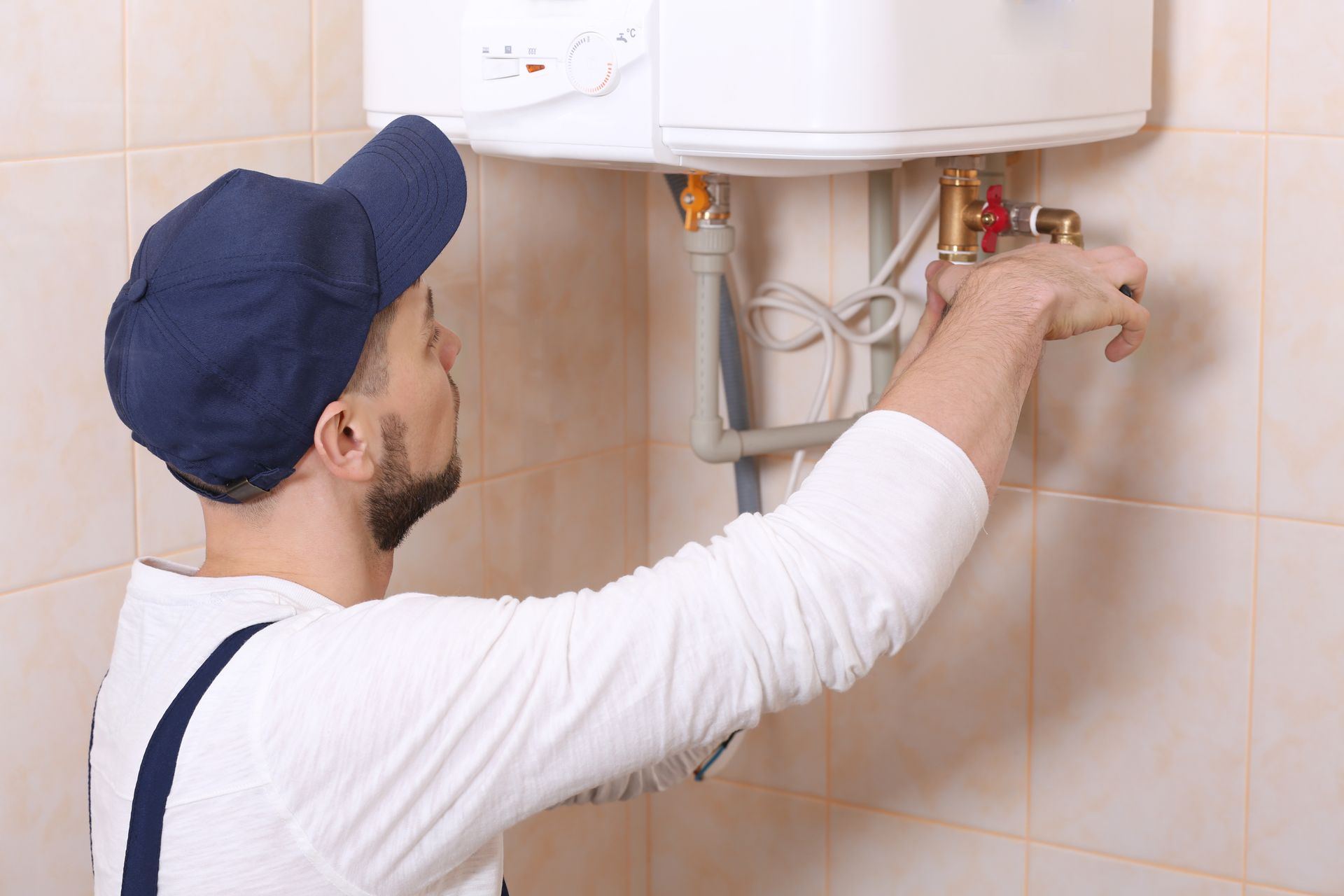
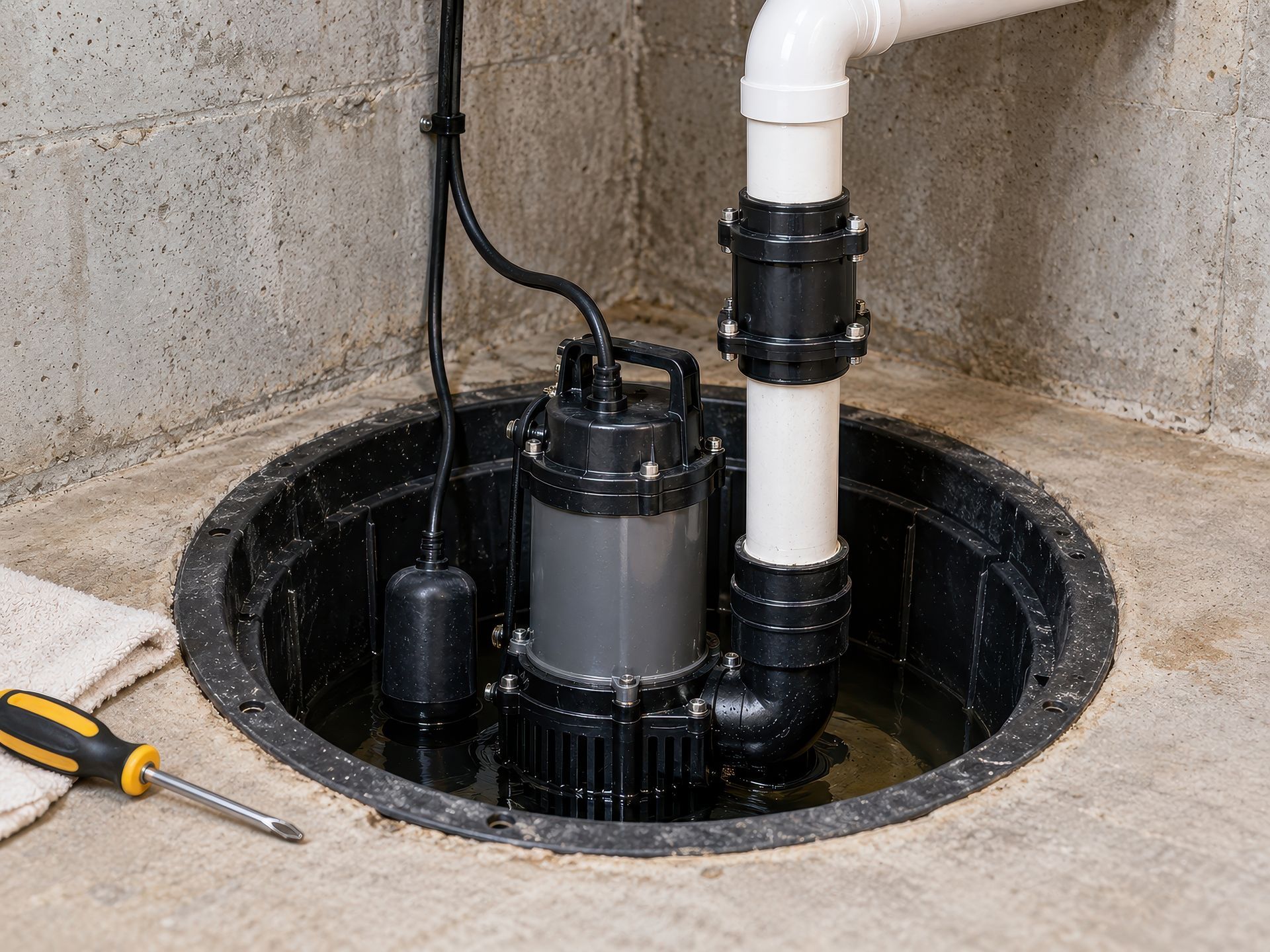
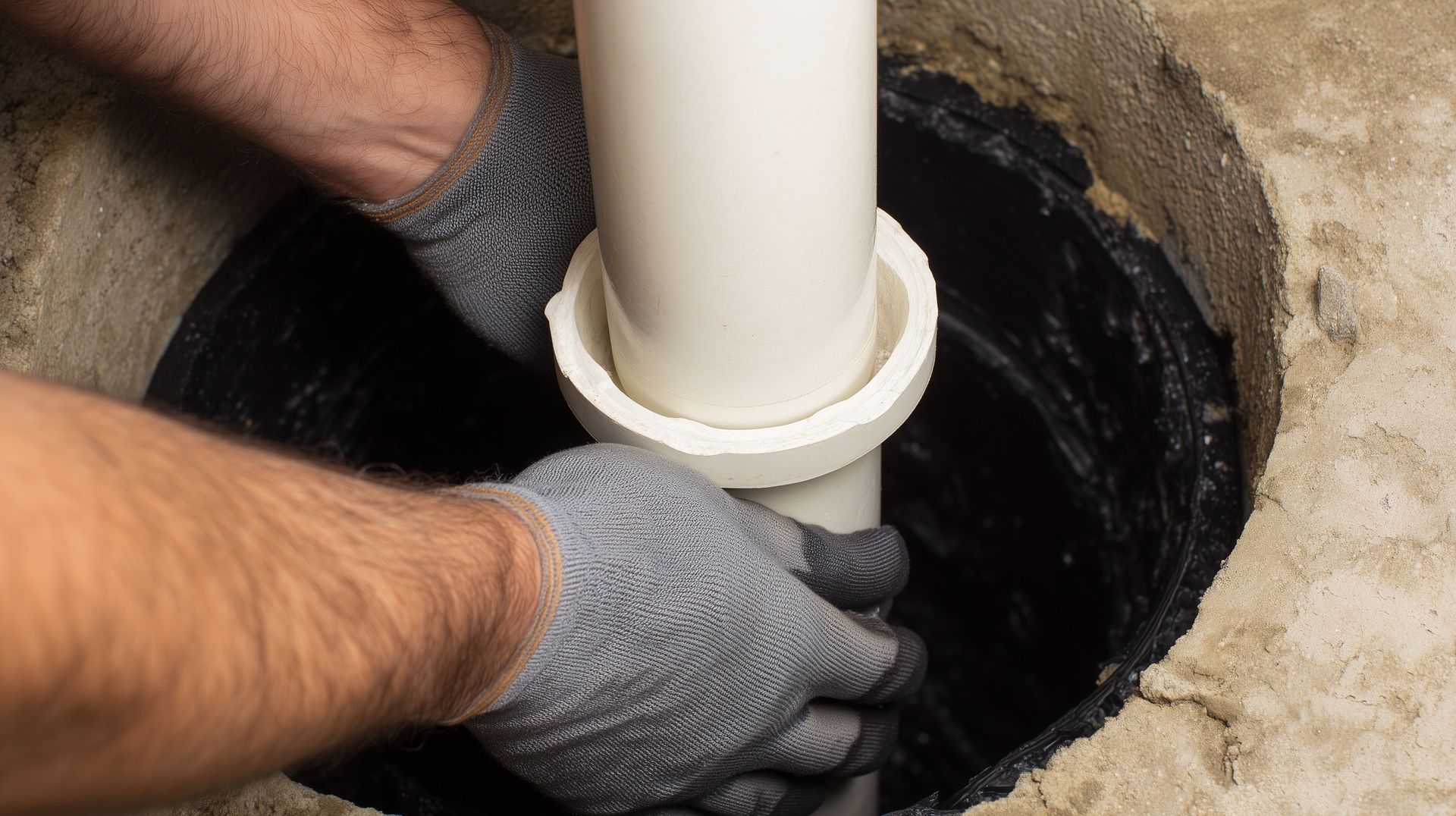
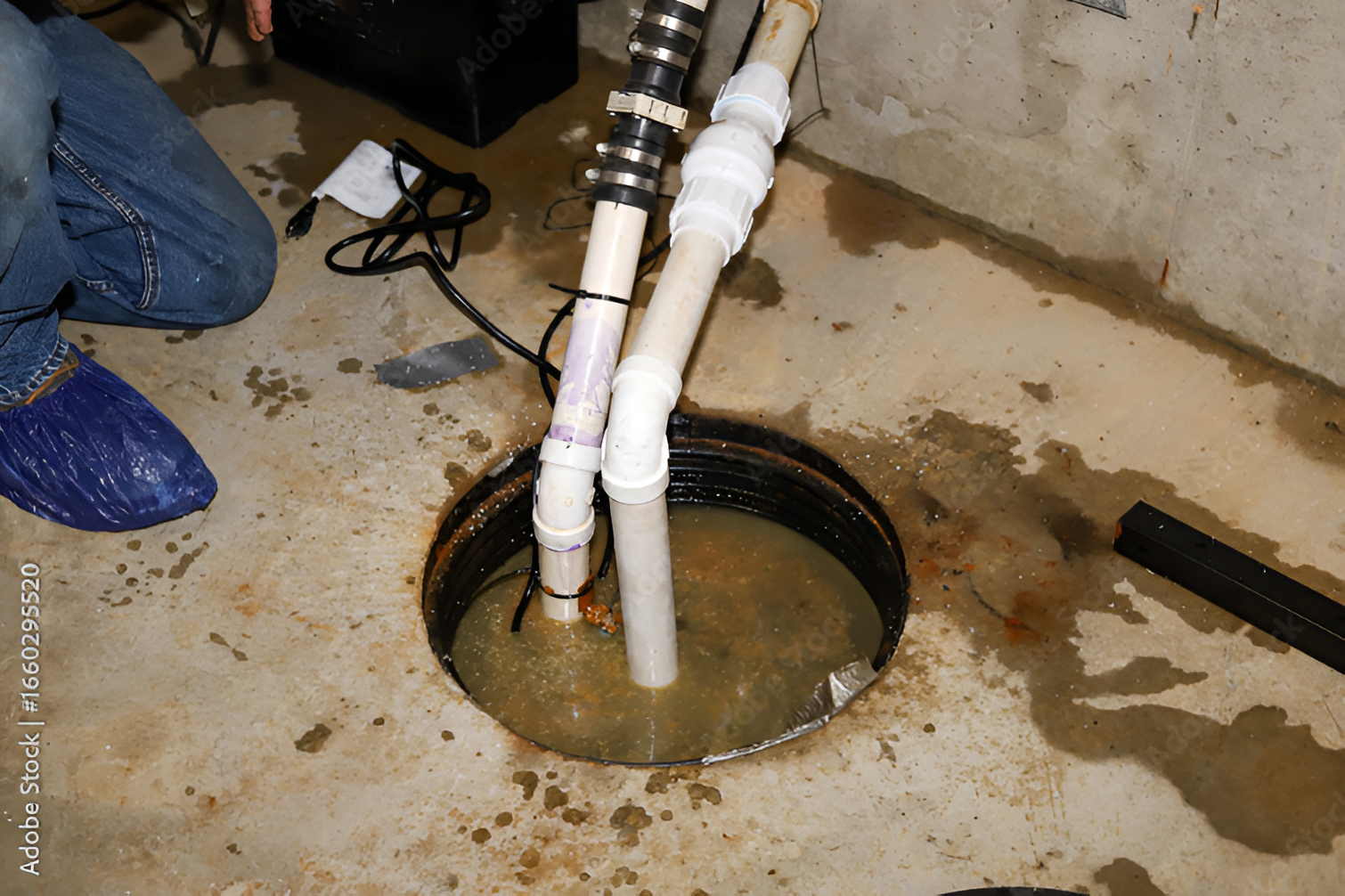
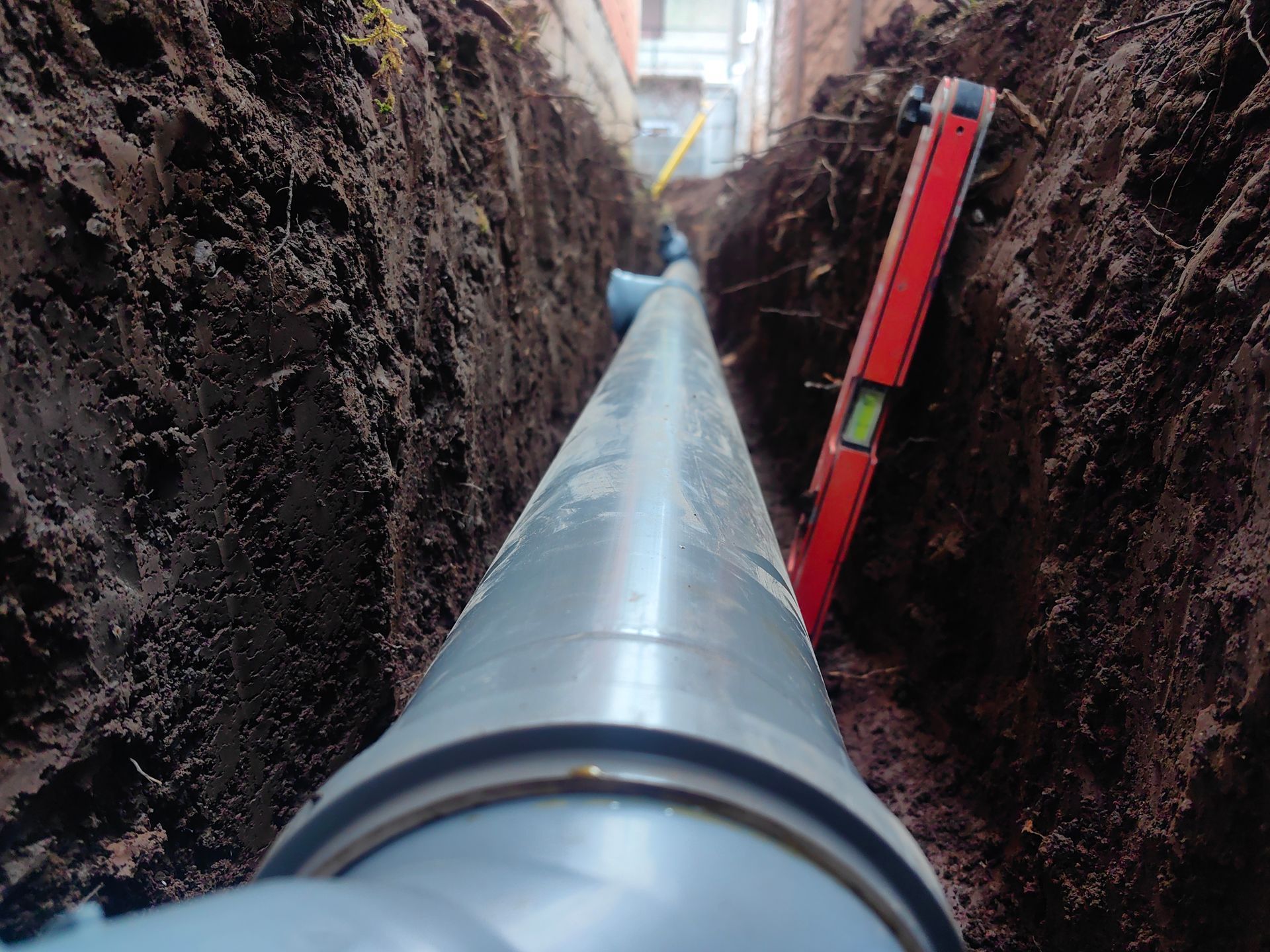
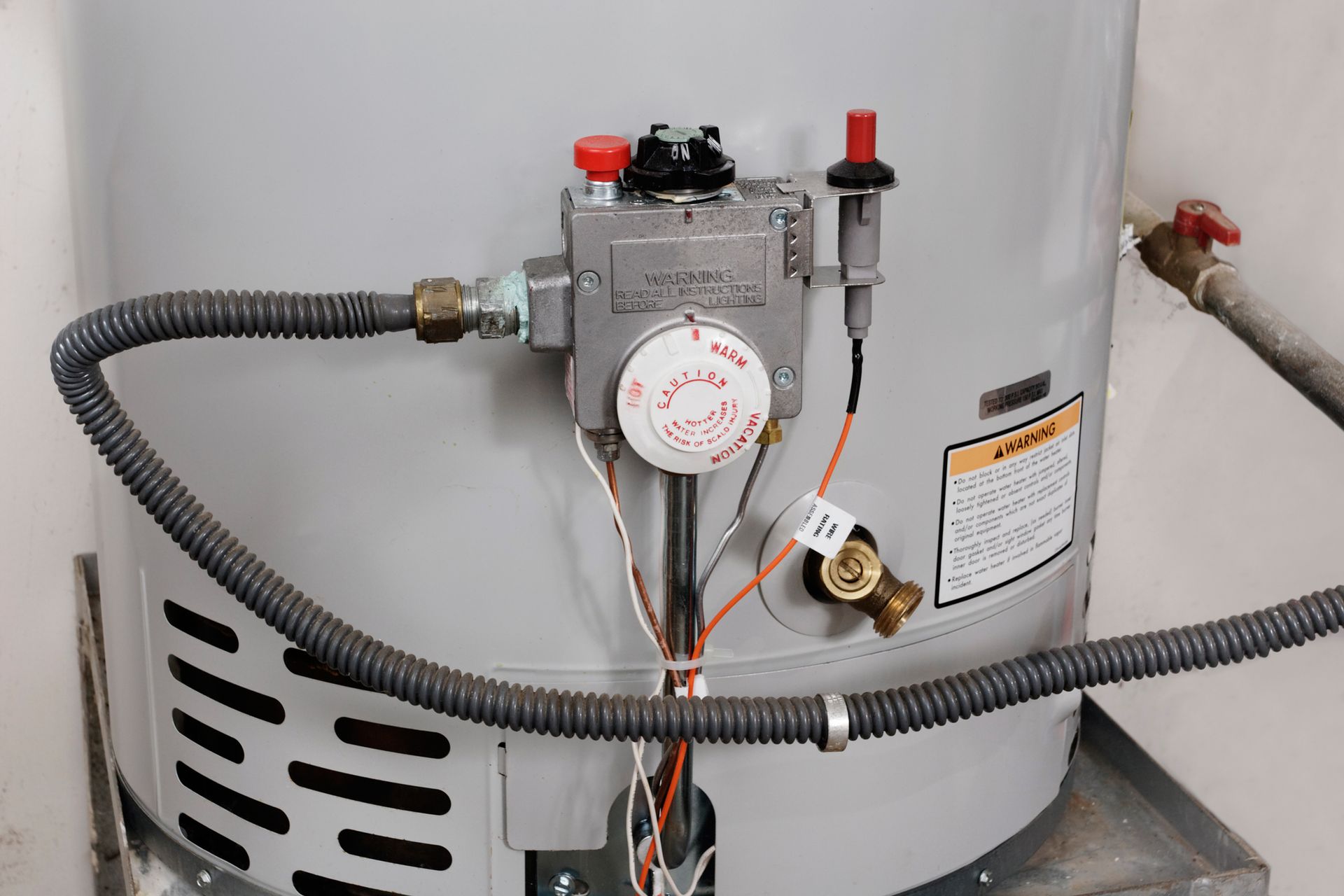
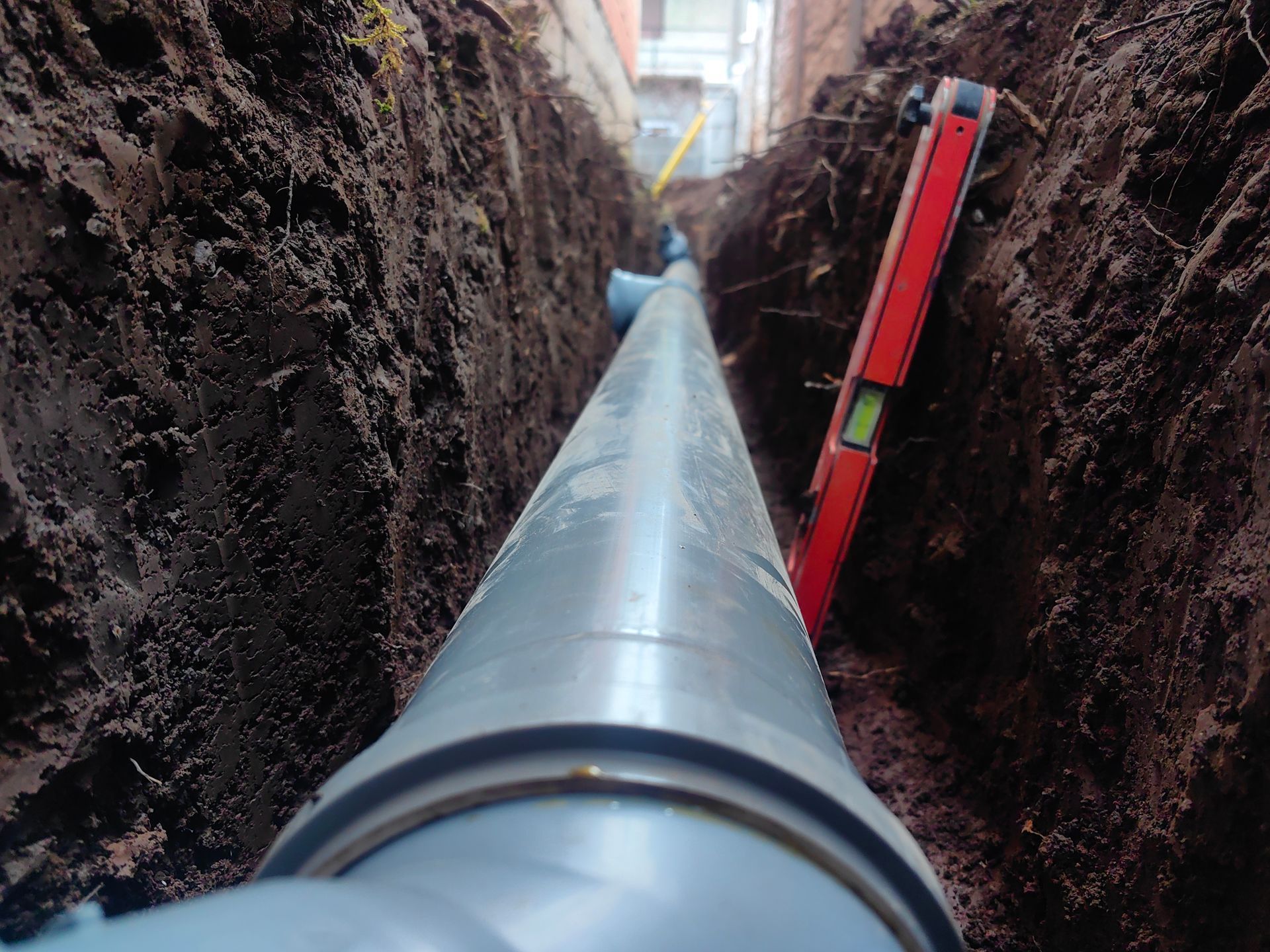
Some plumbing work should be left to a plumbing contractor. Water heater installation and replacement often involve gas lines, venting, and electrical connections. Sewer line repair and camera inspection require specialized equipment and knowledge of how the lines connect to the municipal or septic system. Gas line work carries a serious safety risk if a connection is wrong. Re-piping a home also usually requires a permit and an inspection.
Tasks a Handyman May Handle
A handyman may be able to replace a worn faucet cartridge, tighten a loose toilet, or clear a simple clog in a sink trap when the connections are easy to reach and no permit is required. These tasks have a lower risk profile, but they still require care. If the fix reveals corroded pipes, a hidden leak, or a damaged shutoff valve, the job may have moved past the handyman's scope and into licensed territory.
How Permits Change the Decision
Plumbing permits protect the homeowner by requiring an inspection of the finished work. Many water heater, gas, and sewer projects need a permit, and the licensed contractor usually applies for it. A handyman who works without a permit where one is required can leave the property owner with an uninspected repair, which can make a future sale or a later insurance claim harder. Find out who applies for the permit before the work begins. Homeowners can also ask for a copy of the permit and the final inspection record once the work is complete, and keep both with the property papers.
Insurance and Liability Considerations
A licensed contractor should carry liability insurance, and the coverage should name the business. Handymen may carry insurance too, but the coverage varies. Ask for a certificate of insurance before any work starts, and confirm that it covers plumbing work specifically. Without proper coverage, the homeowner may be responsible for injuries or property damage that happen during the job.
How to Decide Between the Two
Start with the type of problem. If the job involves a gas line, a water heater, a sewer line, or any work that needs a permit, a licensed contractor is usually the right choice. If the task is small, visible, and does not involve a permit or hidden connections, a handyman may be a reasonable option. When in doubt, ask the handyman or the contractor to explain what the job involves before work begins.
Frequently Asked Questions
Can a Handyman Replace a Water Heater?
Water heater replacement often involves gas or electrical connections and a permit. Those tasks are usually handled by a licensed plumbing contractor.
Is a Faucet Repair a Handyman Job?
A simple cartridge or washer replacement may fall within a handyman's scope. If the repair uncovers corroded supply lines or hidden leaks, a licensed contractor should review the work.
Does a Plumbing Contractor Always Need a Permit?
Not every task needs a permit, but many projects do. Ask the contractor to confirm which permits apply before the job starts.
What if a Handyman's Repair Causes Damage?
Check the handyman's insurance and your own homeowners policy. A licensed contractor's warranty may not apply to work performed by someone else, so keep records of who did the work.
How Do I Know if a Job Is Too Big for a Handyman?
If the job involves gas, sewer lines, water heaters, or any work that needs a permit, a licensed plumbing contractor is generally the safer choice.
Match the Job to the Right Professional
Atlantic Green Plumbing is a licensed plumbing contractor for King George, VA, and the area around it. The crew covers residential and commercial plumbing work, including the permitted jobs that usually need a licensed professional. For a clear answer on whether a task fits a handyman or a licensed contractor, phone
(540) 834-5505, read the
residential plumbing page, or use the
contact page to ask for an appointment. Our location and business details are also available on
Google Maps.
![] Plumbing contractor fixing pipes under a kitchen sink,](https://irp.cdn-website.com/c77dadd0/dms3rep/multi/opt/AdobeStock_2233641201-1920w.jpeg)